The Influence of Color and Lighting
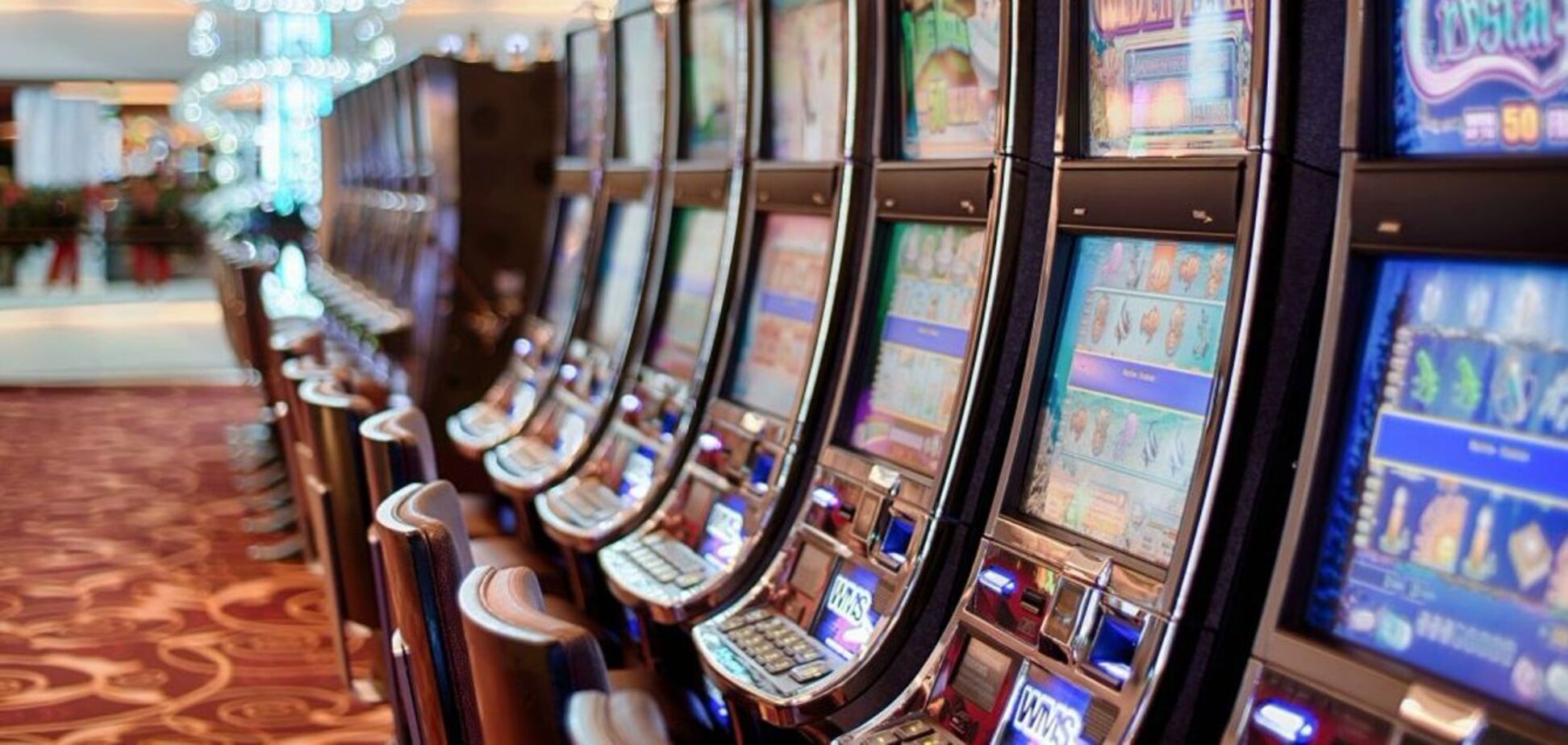
Color and lighting are pivotal elements in casino game design, carefully crafted to evoke specific emotions and behaviors among players. Vibrant colors can stimulate excitement and enhance engagement, creating an atmosphere that draws players in. Designers often employ rich reds and shimmering golds, colors associated with luck and prosperity, to create an eye-catching visual experience. This strategic use of color does more than beautify the space; it instills a sense of urgency that can drive players to make quicker decisions, and many enjoy platforms like 1win that amplify the thrill of the gaming experience.
Lighting, equally important, plays a significant role in shaping the casino environment. Bright, flashing lights are strategically placed to highlight select games, making them seem more enticing and inviting. Research indicates that softer, ambient lighting can create a more relaxed atmosphere, encouraging players to linger and enjoy their time at the tables or machines. By combining vibrant colors with dynamic lighting, casinos aim to create an immersive environment where players may lose track of time and money, ultimately enhancing their emotional connection to the games.
The coordinated use of color and lighting is not arbitrary; it is deeply rooted in psychological research on sensory perception. Designers aim to craft a holistic experience that stimulates the senses, ensuring players remain engaged for longer periods. This synergy between color and lighting works to not only enhance the overall gaming experience but also to encourage specific emotional responses that align with the casino’s objectives, ultimately driving increased playtime and expenditure.
The Role of Sound in Gameplay
Sound design is another critical layer of casino game psychology, significantly influencing player behavior and experience. The use of sound effects, such as the clinking of coins or celebratory jingles accompanying winning combinations, creates a rewarding atmosphere that reinforces positive emotions. These auditory cues become deeply ingrained in the player’s experience, leading them to associate high stakes and risks with thrilling rewards, thus encouraging ongoing engagement with the game.
Moreover, the background music is meticulously chosen to match the rhythm of gameplay, contributing to the overall emotional landscape. Fast-paced music can elevate adrenaline levels, making the game feel more exciting and urgent, while slower tunes can foster a more relaxed vibe, allowing players to immerse themselves in the experience. This careful manipulation of sound is designed to enhance engagement and prolong gaming sessions, aligning perfectly with the casino’s revenue-generating goals.

Research in psychology indicates that sound can stimulate memory recall and influence decision-making processes, which casinos leverage to their advantage. By incorporating familiar tunes or sounds that evoke nostalgia, players may find themselves drawn back to games that remind them of past successes. This thoughtful integration of sound not only enhances player enjoyment but also amplifies the emotional connection to the games, ultimately enhancing player retention and loyalty.
The Psychology of Reward Systems
Reward systems are intricately designed to engage players by leveraging psychological principles that enhance motivation and satisfaction. Casinos often implement tiered loyalty programs, presenting increasingly attractive incentives based on player spending and engagement levels. This approach taps into psychological concepts like loss aversion, where players are motivated not only by the potential of rewards but also by the fear of missing out on greater benefits, thus driving further participation.
Instant gratification is another powerful motivator in the realm of gambling. The allure of hitting a jackpot or receiving a bonus can often overshadow the inherent risks associated with betting. Game designers frequently incorporate features that yield frequent small wins, instilling a sense of accomplishment and keeping players invested in the game. This mechanism not only reinforces continued play by providing a steady stream of rewards, but it also makes the experience feel more rewarding, even if the gains are modest.
Additionally, psychological studies suggest that the dopamine release associated with winning can lead to addictive behavior. By understanding how the brain responds to rewards, designers can create games that ensure players feel excitement and fulfillment, thereby prolonging their engagement. The entire reward system within casino designs is meticulously crafted to align with human psychology, ensuring that players remain captivated and eager to return for more thrilling experiences.
User Experience and Game Mechanics
User experience is fundamentally tied to the mechanics of casino games and how these elements cater to player preferences. Game designers conduct extensive analyses of player behavior to create smooth, intuitive interfaces that minimize complexity. This focus on user-friendly design is essential, as simplified mechanics enable players to engage with games without feeling overwhelmed or confused, promoting prolonged play sessions and positive experiences.

The structure of a game—whether it is skill-based or reliant purely on luck—significantly impacts player psychology. Games that incorporate skill elements provide players with a sense of agency and control, which can enhance satisfaction and enjoyment. Conversely, purely luck-based games often attract those seeking immediate thrills, supported by their unpredictability. Designers carefully balance these mechanics to cater to diverse player preferences, ensuring that various psychological needs are met within the gaming environment.
Furthermore, the incorporation of social interactions, such as multiplayer games or chat features, facilitates community engagement and enriches the overall experience. The psychological need for social connection is a compelling motivator in gaming; when players feel part of a community, they are more likely to remain engaged. Game mechanics that promote interaction not only enhance enjoyment but also cultivate loyalty, encouraging repeat visits to the casino.
Understanding Players Through Data and Feedback
In today’s digital age, analyzing player behavior through data has become a cornerstone of casino game design. Casinos utilize sophisticated metrics to track player preferences, betting patterns, and overall engagement levels, allowing designers to gain insights into which games resonate with players and why. This data-driven approach empowers casinos to fine-tune their offerings to meet evolving demands and enhance player satisfaction, ensuring competitiveness in a crowded market.
Moreover, feedback loops are vital in refining game design. By actively seeking player opinions regarding features, difficulty levels, and overall enjoyment, casinos can make informed decisions about future developments. This emphasis on player-centered design not only enriches the gaming experience but also fosters loyalty, as players feel that their preferences are valued and considered. Engaging with players on this personal level transforms a casino’s offerings from generic experiences to personalized encounters that cater to unique tastes.
Ultimately, the integration of data and feedback mechanisms empowers casino designers to create more immersive and engaging environments. An ongoing dialogue between players and developers leads to a dynamic gaming landscape where innovation thrives. By effectively addressing the psychological needs of their audience, casinos can ensure that they remain relevant while continuously enhancing the overall player experience.