The Illusion of Control
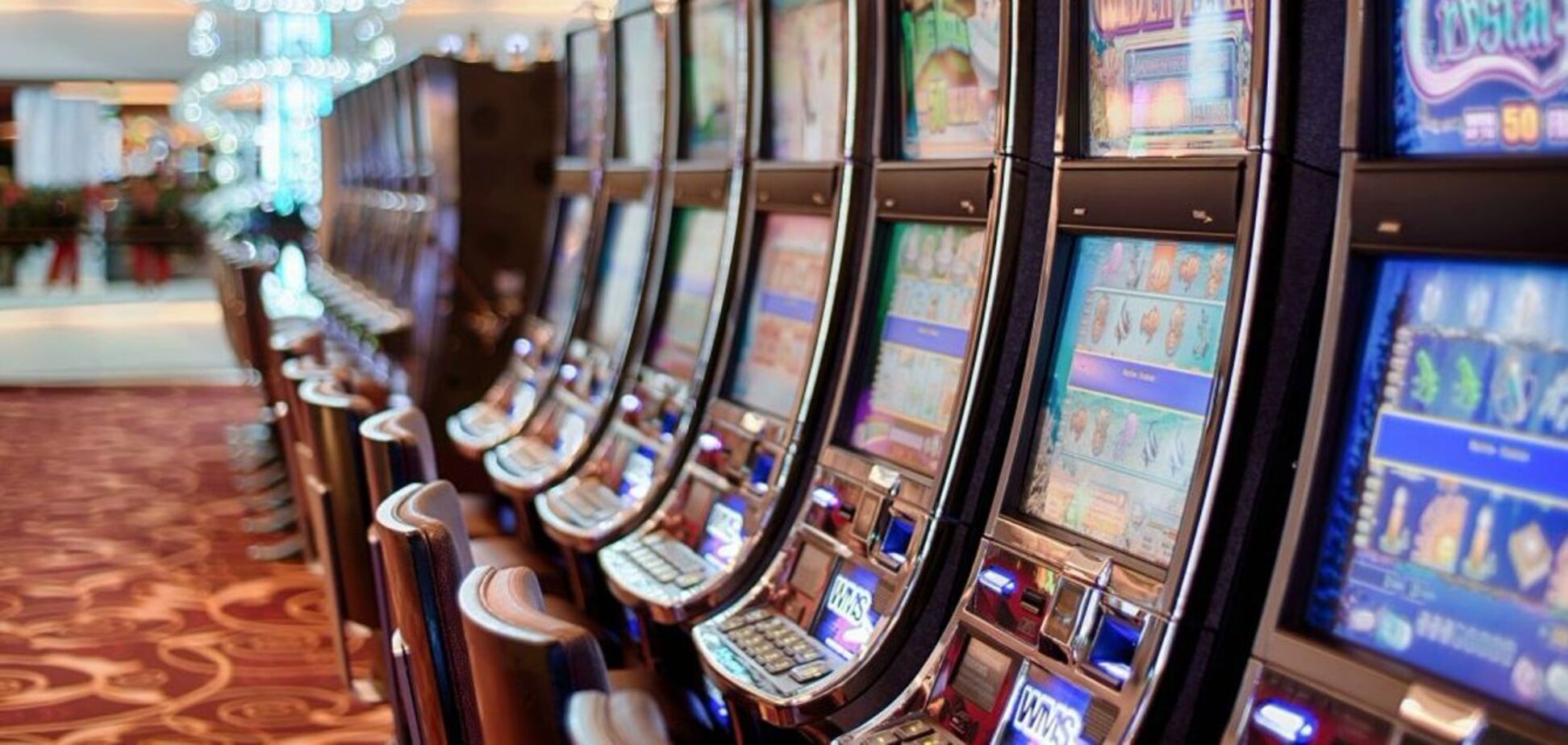
One of the most profound psychological tactics employed by casinos is the illusion of control, which can significantly influence player behavior. Many players believe that they can influence the outcomes of games through their betting strategies or choices. For example, slot machines often allow players to press a button to spin or pull a lever, leading them to think they have some control over the machine’s outcomes. Additionally, understanding the instant casino withdrawal time can further impact a player’s decision-making process, as it affects their perception of risk and reward. This perception creates an emotional investment in the game, making players more likely to continue playing, even when the odds remain firmly in favor of the house.
This psychological phenomenon extends to other games as well, such as blackjack or poker, where players feel that their skills can impact the results. The more players feel they can influence the game, the longer they are likely to play. Casinos capitalize on this by creating environments where players can engage in strategic thinking, often encouraging prolonged gaming sessions despite the inherent risks and losses.
Moreover, the use of skill-based games has become increasingly popular, as they offer players the opportunity to feel in control. By allowing players to think that their decision-making abilities can lead to greater success, casinos effectively encourage longer play times, enhancing their overall profitability while keeping players emotionally engaged.
Rewards and Reinforcement
Another key psychological strategy is the system of rewards and reinforcement that casinos put into place. Similar to how operators of slot machines utilize variable rewards to maintain player interest, casinos offer various incentives to keep players coming back. Comp programs, bonuses, and promotions create a sense of belonging and reward that can be very appealing. These rewards often incentivize players to stay longer, as they chase the next big win or sought-after comp.
The reward systems also utilize the principles of operant conditioning, whereby players receive intermittent rewards that create excitement and anticipation. Each win, no matter how small, triggers the brain’s pleasure centers, releasing dopamine and reinforcing the behavior. For instance, a player might receive a small win on a slot machine, which encourages repeat plays, even if the overall outcome is a loss. The brain starts associating gaming with pleasure, leading to a cycle that can be difficult to break.

Furthermore, casinos utilize loyalty programs that not only reward wins but also provide incentives for continued play. As players accumulate points, they feel a sense of achievement and progress, encouraging them to engage further with the games. This sense of progression can be particularly potent in retaining players who might otherwise take a break, as they feel compelled to continue working toward their next reward.
Environment and Atmosphere
The design of a casino environment plays a significant role in influencing player behavior. Casinos are meticulously crafted spaces where lighting, sounds, and visuals are all designed to stimulate the senses and maintain player engagement. Bright, colorful lights, the sounds of winning, and even the positioning of games are intentionally arranged to create an alluring atmosphere that encourages players to lose track of time and place.
For instance, the absence of clocks and windows often found in casinos serves to disorient players, allowing them to remain immersed in the gaming experience without the distraction of the outside world. This sensory manipulation ensures players remain focused on their games, leading to longer gaming sessions. Additionally, the use of upbeat music can create a vibrant energy atmosphere that enhances the overall gaming experience.
This carefully curated ambiance promotes social interaction as well, as many players enjoy the communal aspects of gaming. Casinos often feature bars and lounges that encourage mingling, creating an environment where players share experiences and excitement, further enticing them to stay longer. The social reinforcement from fellow players can lead to an even stronger emotional connection to the games being played.
The Role of Loss Aversion
Loss aversion is a psychological concept that states individuals prefer to avoid losses rather than acquiring equivalent gains. Casinos are aware of this tendency and use it to their advantage to keep players engaged. When players experience a loss, they often feel compelled to continue playing, attempting to win back their losses. This cycle can lead to prolonged engagement with games, which ultimately translates into higher profits for the casino.

Casinos employ various strategies to exploit this psychological trait effectively. For instance, a table game that allows players to double down or split bets can create a false sense of opportunity, encouraging them to risk more in the hopes of recouping previous losses. The idea of winning back what was lost can become an overwhelming motivator, often leading to deeper financial commitments from players.
This connection between loss aversion and gambling behavior is further accentuated by the concept of “chasing losses.” Players become emotionally invested in regaining their previous amounts, sometimes ignoring the odds and hesitant to accept their losses. Casinos recognize this and often create conditions that capitalize on this psychological drive, ensuring that players remain committed to the games despite potential financial consequences.
Understanding Player Behavior Through Data
Modern casinos increasingly rely on data analytics to understand and influence player behavior. By collecting vast amounts of information on player habits, preferences, and spending patterns, casinos can tailor their offerings and marketing strategies to resonate with their target audience. This approach allows them to enhance player experiences while maximizing their revenue potential.
For instance, data can reveal which games are most popular among specific demographics or how different rewards impact player retention. By analyzing this data, casinos can create personalized bonuses or promotions that appeal directly to individual players, leading to higher engagement levels. The more casinos can personalize experiences, the more likely they are to retain players and encourage them to spend more time and money on their premises.
Furthermore, these insights can extend to the design of gambling experiences, allowing casinos to create environments that cater to the preferences of their clientele. By continually refining their strategies through data analysis, casinos can maintain a competitive edge while ensuring that players remain engaged and satisfied with their gaming experiences.